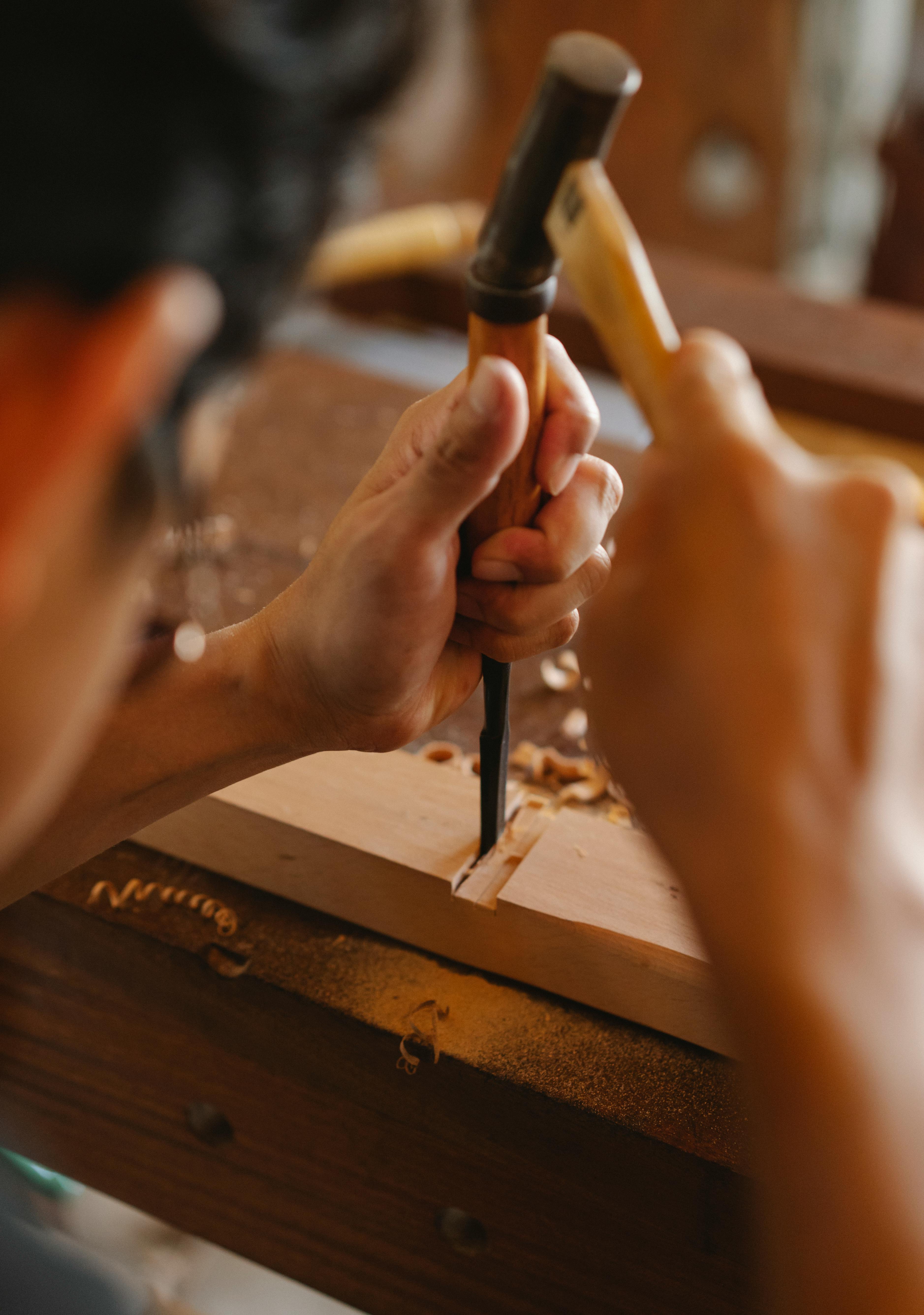
Decades of durability
Solid wooden floors routinely last 40–80 years. With proper care, the floor outlives the building it was installed in. Vinyl, laminate and engineered alternatives need full replacement every 10–20 years.
40–80 Year lifespan
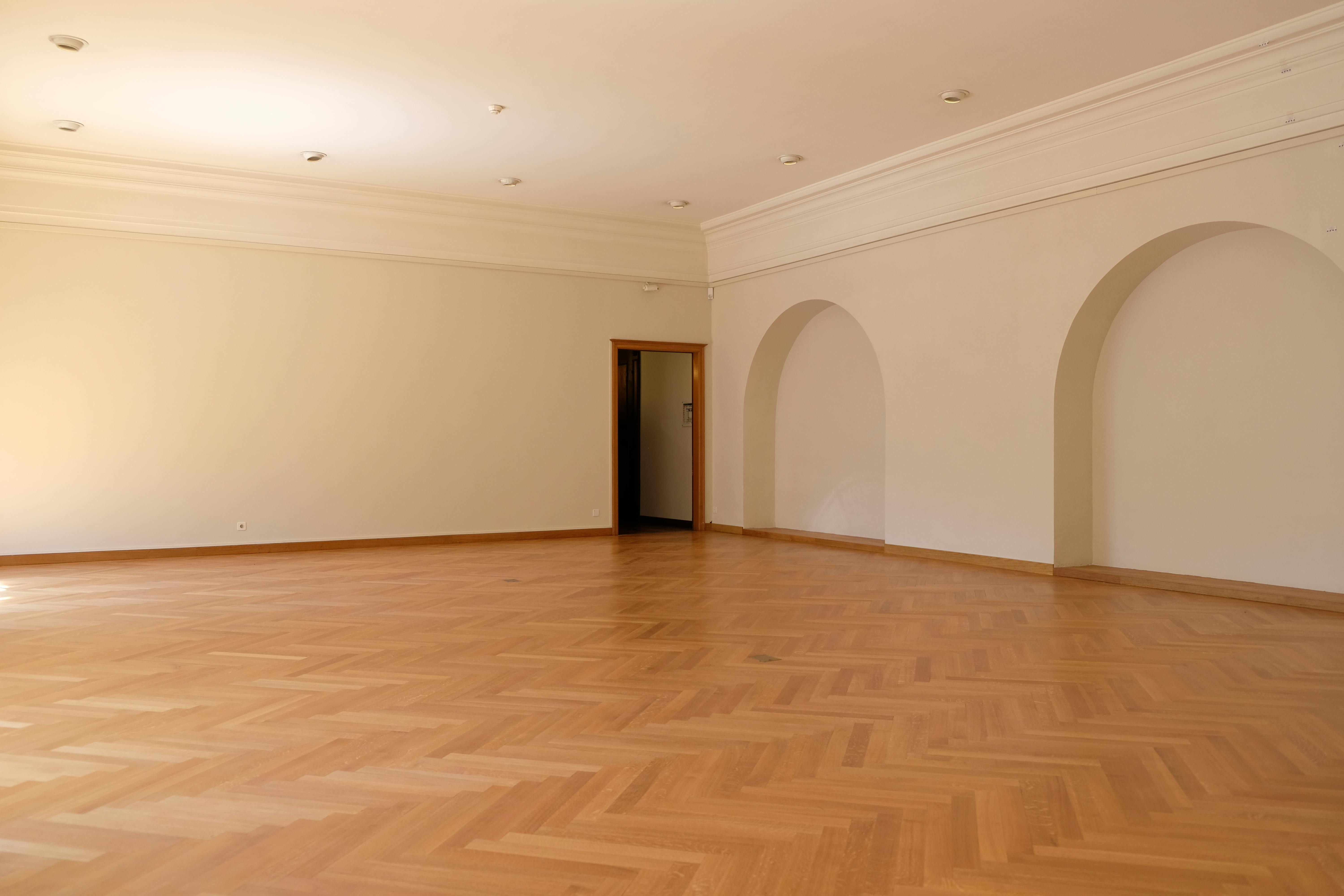
Why Choose Viera
We use 100% solid premium wood — no veneers, no engineered cores, no shortcuts. What you specify is what we mill, finish, and ship. This page explains, in detail, why that matters for your project, your investment, and the planet.

The wood promise
The flooring industry uses a lot of words — "real wood", "natural", "solid feel". They can mean almost anything. Here is exactly what we mean by them, in plain language.
Every plank is solid hardwood, milled from a single piece of timber. No HDF cores, no MDF substrates, no thin veneer layers glued onto cheaper material.
We discard timber with knots, sapwood streaks, splits or worm channels at intake. Only the cleanest, densest heartwood becomes a Viera floor.
Our Nilambur teak is harvested at full maturity (40+ years). The tighter grain and higher oil content is what gives genuine teak its colour, density, and water resistance.
Every batch is kiln-dried to a stable, climate-appropriate moisture content. This is what prevents cupping, gaps, and squeaks years after installation.
Advantages of wooden flooring
Laminate, vinyl, engineered planks, polished concrete — they all have their place. But none of them age, repair, or sell a home the way solid wood does. Here is what you actually get when you specify Viera over the alternatives.
Solid wooden floors routinely last 40–80 years. With proper care, the floor outlives the building it was installed in. Vinyl, laminate and engineered alternatives need full replacement every 10–20 years.
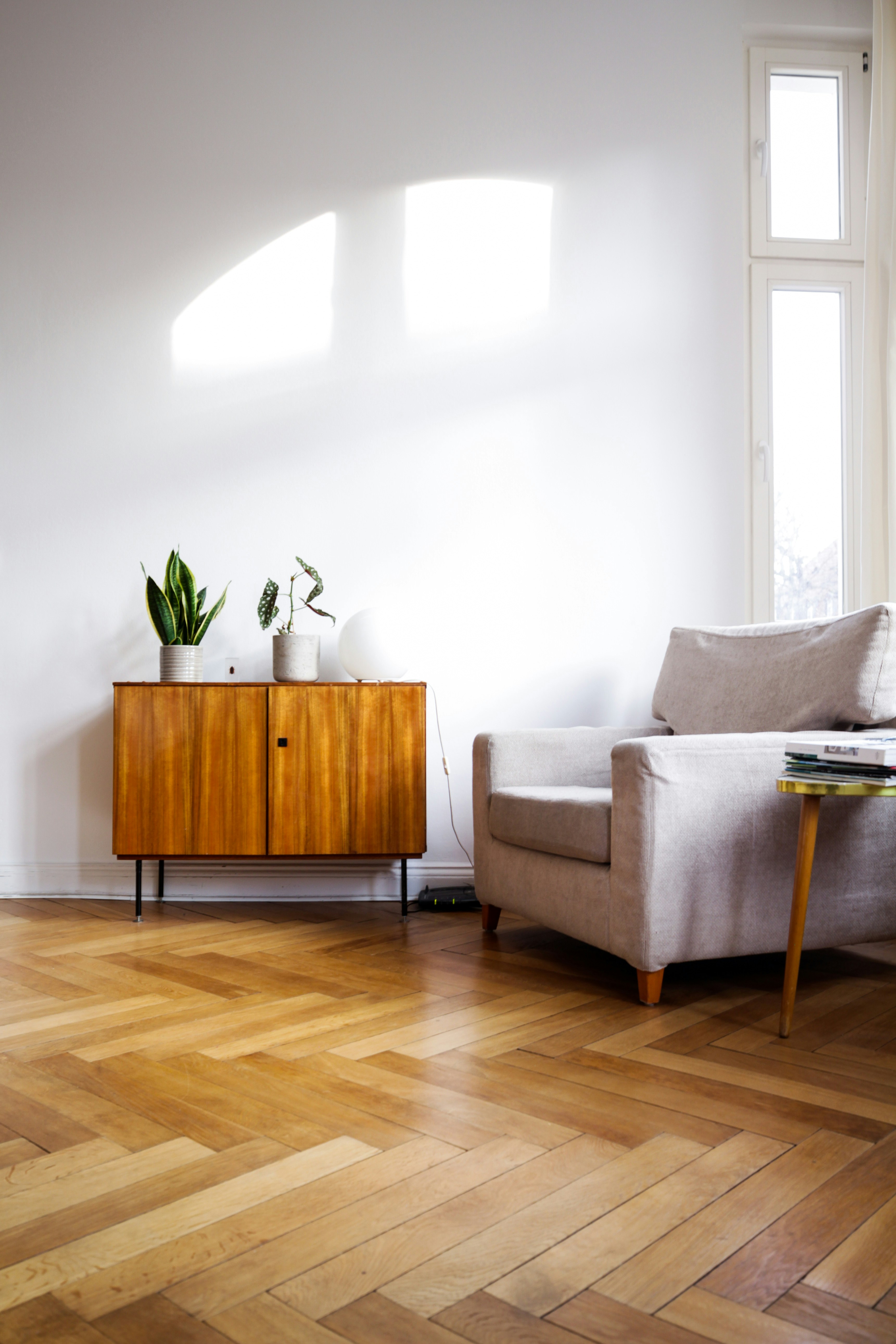
A solid Viera plank can be sanded and refinished 4–6 times in its lifetime. Scratches, dents, and wear simply disappear — your floor looks new again, without the landfill cost of replacement.
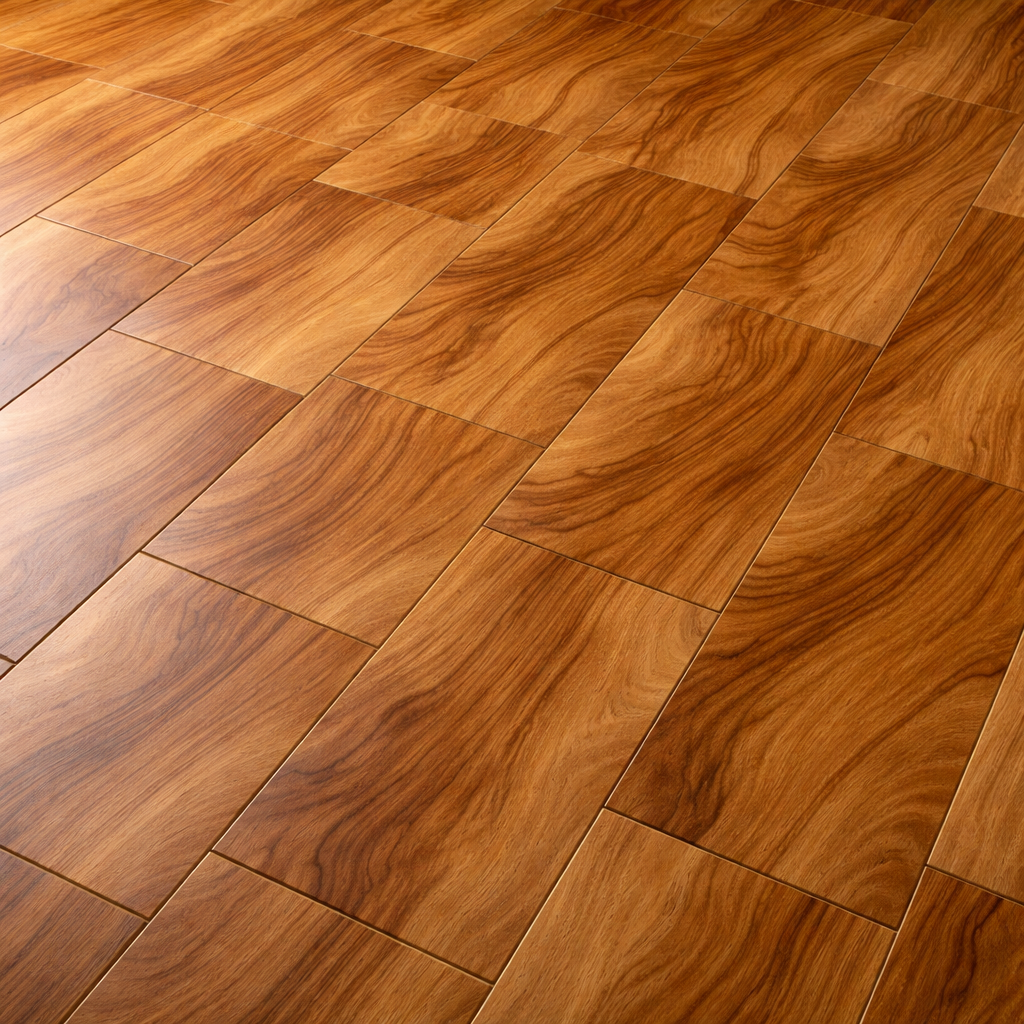
Real wooden flooring is one of the few finishes appraisers list as a value-adder. Buyers pay a premium and homes sell faster. It is the rare interior choice that returns money instead of costing it.
Wood does not trap dust mites, pet dander, or allergens the way carpet does. No off-gassing of synthetic adhesives or PVC plasticisers — important if you have children, asthma, or simply prefer cleaner air.
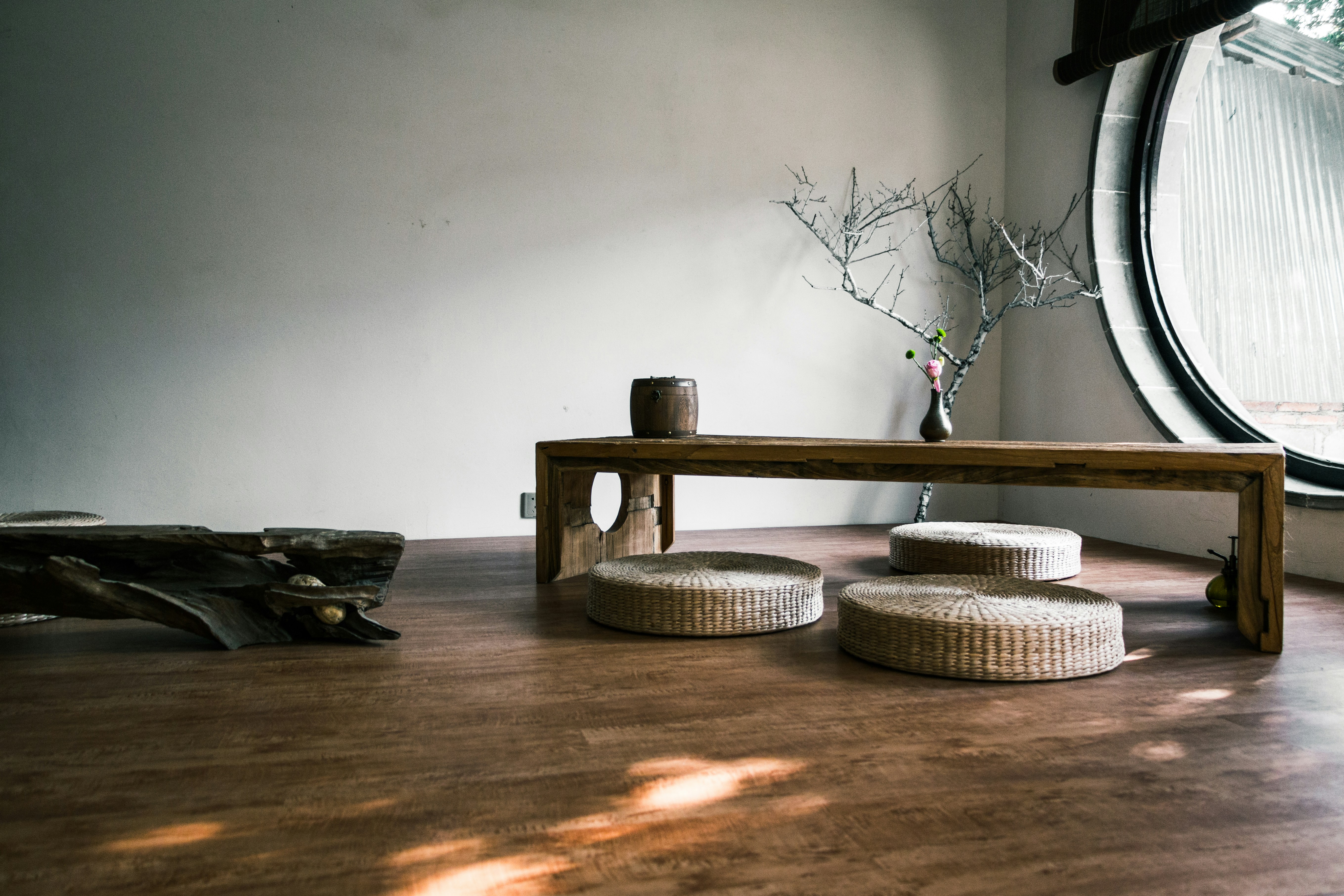
Wood has natural thermal mass — it feels warm underfoot in winter and stays cool in summer. It also dampens footstep and conversation noise far better than tile or stone.
Every cubic metre of solid wood locks away roughly a tonne of CO₂ for the life of the floor. Sustainably harvested timber is one of the few interior finishes that is actually climate-positive.
Health benefits
The reason wood has been the default flooring of homes for centuries isn't just aesthetic. It's gentler on joints, easier on the lungs, and safer when things go wrong. For families with the elderly, with chronic conditions, or with young children — these are not soft benefits. They are the floor.
Solid wood has a slight natural give that hard surfaces like ceramic tile, marble or polished concrete simply don't. Occupational therapists routinely recommend wooden flooring for households with rheumatism, osteoarthritis or knee/hip pain — every step is a little easier on the body.
Cold floors are a known aggravator of joint stiffness and circulation issues. Wood holds and returns warmth far better than stone or tile — important for the elderly, for cold-climate homes, and for anyone living with chronic pain that flares in winter.
Wood does not trap dust mites, pet dander, or mould spores the way carpet does. For households with asthma, eczema, hayfever, or autoimmune conditions, switching from carpet to wood routinely reduces flare-ups and makes daily cleaning genuinely effective.
Synthetic floors quietly release VOCs (volatile organic compounds) for years after installation — phthalates from vinyl, formaldehyde from laminate adhesives. Solid wood with natural oil or low-VOC lacquer finishes does not. The air your family breathes stays cleaner.
Wood naturally absorbs and releases moisture, helping rooms stay within the 40–60% humidity range associated with the lowest reported levels of joint stiffness, sinus irritation, and respiratory discomfort.
Wood absorbs impact better than tile, stone, or polished concrete. For elderly residents, toddlers, or anyone unsteady on their feet, the difference between landing on wood and landing on stone can be the difference between a bruise and a broken bone.
These benefits are widely reported in flooring, occupational health, and indoor air-quality literature. Individual outcomes depend on installation, climate, and existing conditions — we are happy to share specific guidance for your household if you reach out.
Honest comparison
We are happy to recommend laminate or engineered for the right project — they are cheaper upfront. But for anything you want to keep, here is the honest comparison.
| Viera Solid Wood | Laminate | Vinyl / LVT | Engineered | |
|---|---|---|---|---|
| Material | 100% solid hardwood | HDF + photo paper | PVC + plasticisers | Veneer over plywood |
| Realistic lifespan | 40–80 years | 10–15 years | 10–20 years | 20–30 years |
| Refinishable? | 4–6 times | Never | Never | 1–2 times max |
| Repairable plank-by-plank | Yes | No | Limited | Limited |
| Adds resale value | Yes | No | No | Mild |
| Indoor air quality | Natural, low-VOC | Formaldehyde risk | Phthalate off-gassing | Adhesive-dependent |
| End-of-life | Compostable / reusable | Landfill | Landfill / hazardous | Mostly landfill |
| Carbon impact | Stores CO₂ | Net emitter | High emitter | Net emitter |
Comparison reflects industry averages from leading manufacturers and independent lifecycle studies. Outcomes depend on installation, climate, and care.
Lifetime Warranty
Coverage
Lifetime, transferable
Backed in writing with every order
We know what goes into a Viera plank — three generations of milling expertise, A-grade heartwood, and finishing done by hand. So we stand behind it for life. Not 10 years, not 25 — for as long as the floor is yours.
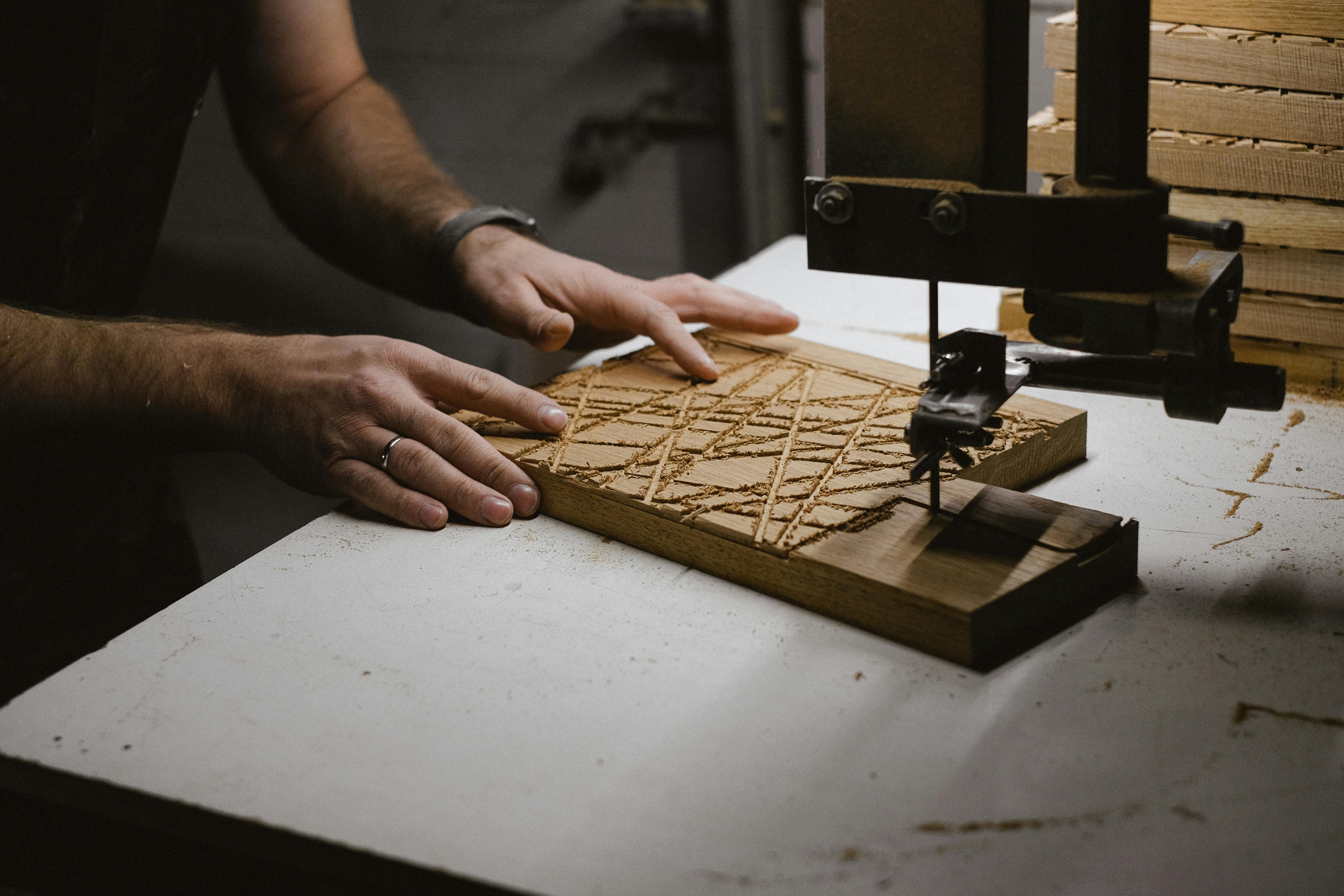
Cupping, splitting, splintering, or any failure traceable to milling, drying, or finishing — covered for the lifetime of the floor.
Tongue-and-groove joints, board flatness, and dimensional stability under recommended installation and humidity conditions.
Peeling, flaking, or premature wear-through of factory-applied oil, lacquer, or hand-finished surfaces under normal residential use.
Every plank is kiln-treated to neutralise borers and fungi at source. Any insect-related failure is covered without question.
Warranty applies to defects in material and workmanship under normal residential use. Excludes damage from flood, fire, neglect, or installation contrary to our written guidance. Full terms supplied with every order.
Our process, end to end
Vertical integration is what lets us promise quality. We don't outsource milling, finishing, or after-sales — every step happens under our roof, by people we know.
We source heartwood directly from licensed Nilambur teak plantations and verified hardwood concessions — no anonymous broker lots, no mystery timber.
Every log is inspected at our Kannur mill. Knots, splits, sapwood, and worm channels are culled before milling — not hidden inside the floor.
Boards are sawn to spec, kiln-dried to 8–10% moisture, then conditioned for two weeks before finishing — the step most factories skip to save time.
Brushing, oiling, and final inspection are done by hand. Each plank is signed off by a finisher who has been milling teak for 15+ years.
Installation check-ups, warranty claims, repair, and recoating — handled by the same team that made your floor. One number, one accountability.
Common questions
Over a 30-year horizon, solid wood is almost always cheaper per year of service. A laminate floor is replaced two or three times in the lifetime of a single solid wood floor — and the labour cost of replacement usually exceeds the original price difference. If you are designing for permanence, solid wood is the rational choice.
Solid hardwood does mark — that's part of its character. But every mark is fixable: scratches buff out with re-oiling, dents can be steam-raised, and worst case, the entire floor can be sanded back to fresh wood. Cupping and warping are caused by moisture imbalances, which is why we kiln-dry every board to 8–10% MC and acclimatise on site before installation.
Nilambur teak is widely considered the finest in the world — slower-growing, denser, and richer in natural oils than plantation teak elsewhere. Our supply is also fully traceable and CITES-compliant, which much of the international market is not. Many premium yacht builders and heritage restorers specifically request Nilambur stock.
Yes. Solid wood is well suited to underfloor heating provided the system is designed for wood (max surface temperature 27°C, slow ramp-up). We supply species-specific guidance with every order and can recommend installers who routinely work over UFH.
You call the same team that made your floor. We handle installation check-ups, warranty claims, plank-by-plank repairs and full recoating. Most issues are solved on a single visit — and because we keep your batch records, replacement planks come from a matched lot.
It covers manufacturing defects, structural integrity (T&G joints, board flatness, dimensional stability), finish delamination, and insect/borer damage — for as long as you own the floor. We repair, refinish, or replace at our cost, with batch-matched planks where replacement is needed. The warranty is also transferable to a new owner if you sell the property. Excludes damage from flood, fire, neglect, or installation contrary to our written guidance. Full terms ship with every order.
Every log is sourced from licensed Nilambur plantations or audited concessions, with full chain-of-custody documentation. We are CITES compliant and certified for FSC and PEFC where the export market requires it. Our sustainability page lists exactly what we hold and what we are working toward.
Yes — and it is one of the most consistent recommendations in occupational health literature for households with chronic joint conditions. Solid wood has slight natural give that hard surfaces (tile, marble, polished concrete) lack, so every step is gentler on knees, hips, and ankles. It also stays warmer underfoot, which matters because cold floors are a known aggravator of joint stiffness, circulation issues, and arthritis flare-ups in winter. For elderly residents specifically, wood absorbs impact better than stone or tile in the event of a fall — often the difference between a bruise and a fracture. Combined with no allergen-trapping (good for asthma and autoimmune conditions) and no VOC off-gassing (good for chemical sensitivities), solid wood is genuinely one of the healthiest finishes you can specify for a long-term home.
Talk to our team about Viera solid wood for your next residential, commercial or hospitality project.